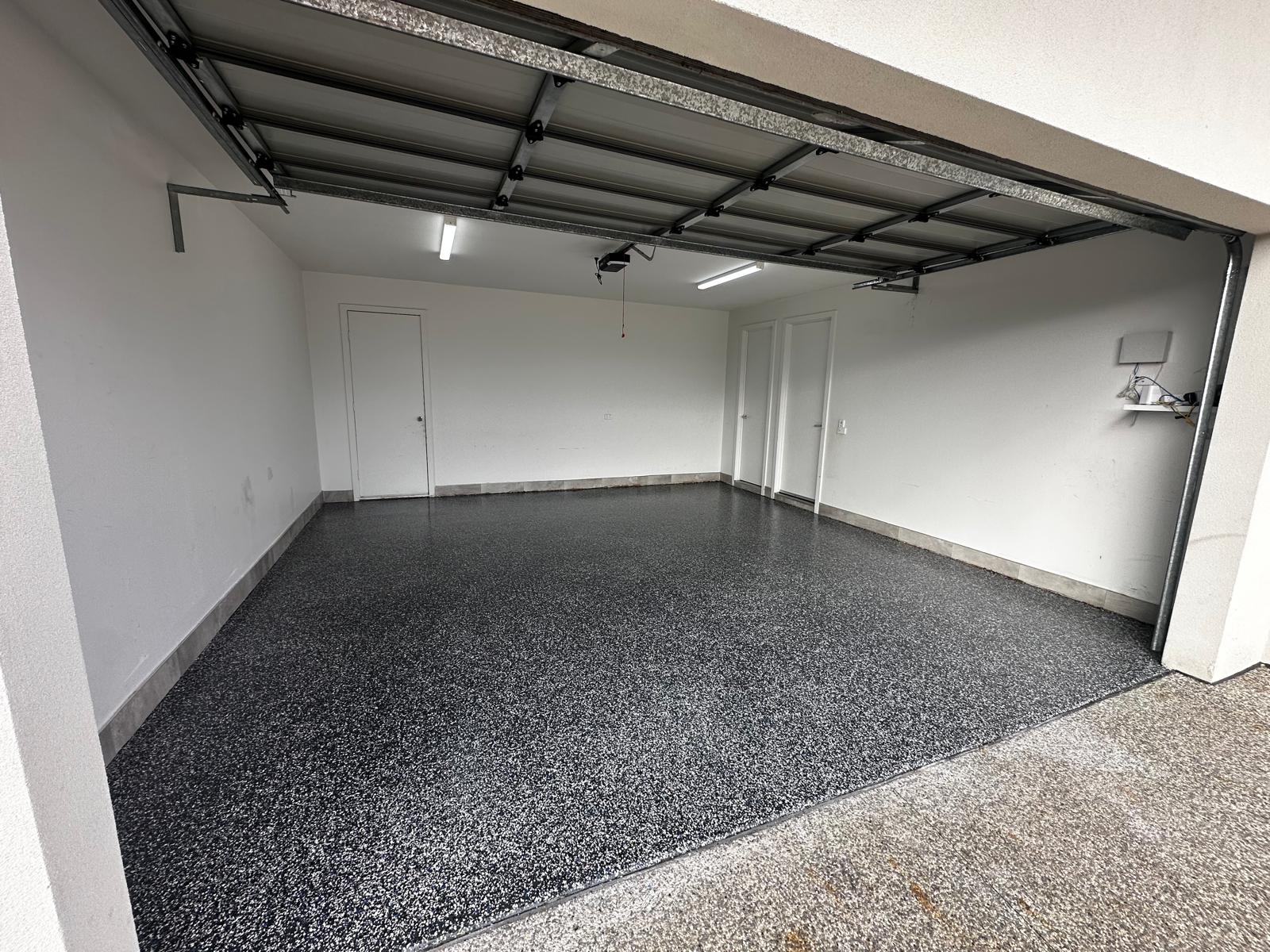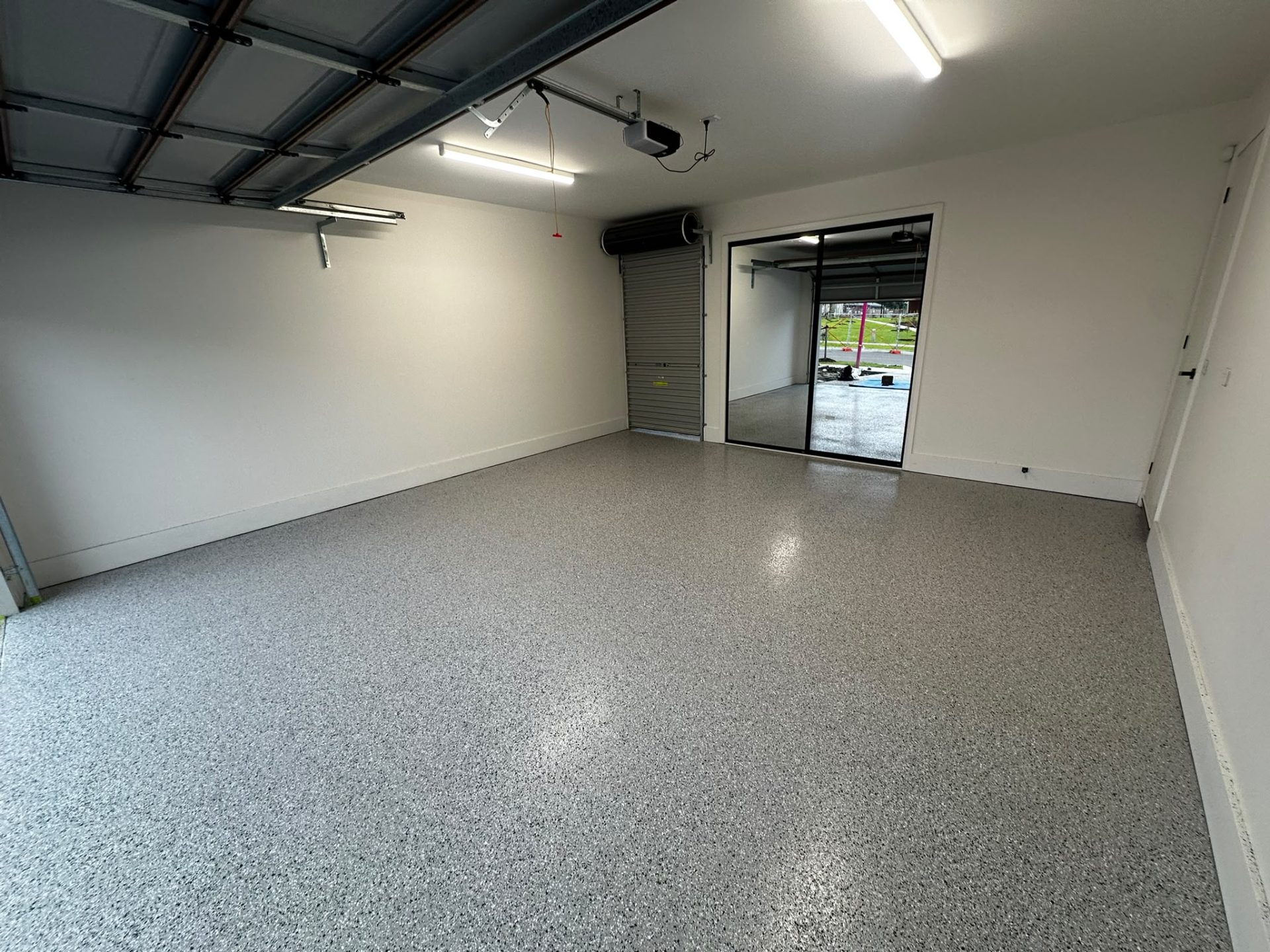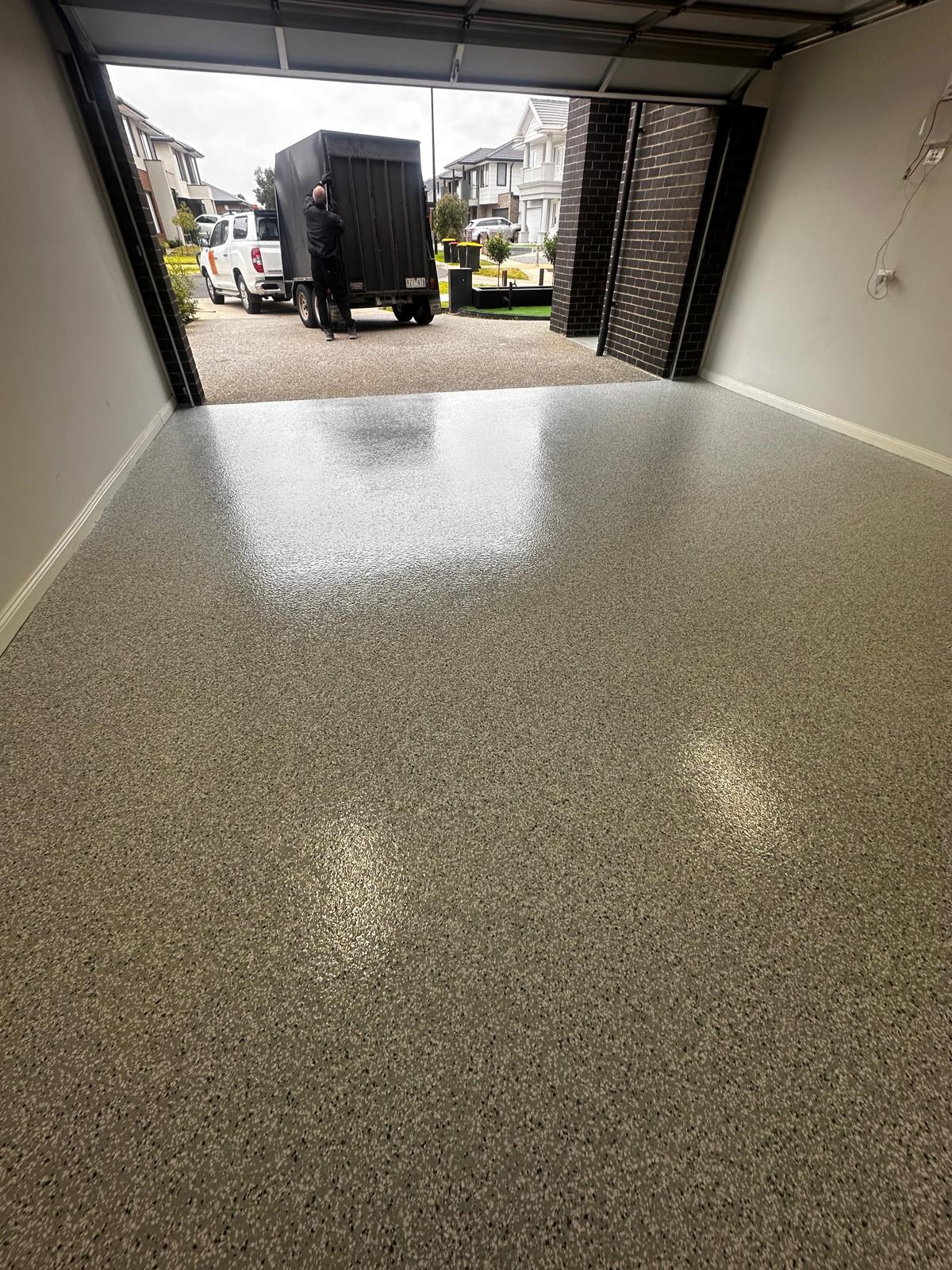
Choosing the right warehouse epoxy flooring in Melbourne is one of the most important decisions a business owner can make for their facility. Get it right and you have a floor that lasts 10 to 15 years, handles forklifts, chemical spills, and constant foot traffic without complaint, and keeps your team safe every single day. Get it wrong and you are looking at peeling, cracking, dusting, and a costly reinstallation within two to three years.
In this complete 2026 guide, GoPoxy — Melbourne’s trusted industrial epoxy flooring specialists — covers everything Melbourne business owners need to know before choosing a warehouse floor coating. From understanding the different epoxy systems available and how to assess your concrete, to what questions to ask your contractor and how to avoid the most common and costly mistakes.
Step 1 — Understand Your Warehouse Environment Before Choosing a System
The single biggest mistake Melbourne business owners make when choosing warehouse epoxy flooring is picking a system based on price alone — without first understanding the specific demands of their facility. A food processing facility in Tullamarine has completely different flooring requirements to a logistics warehouse in Thomastown or an automotive workshop in Dandenong.
Before selecting any industrial epoxy flooring system, every Melbourne business owner should honestly assess the following:
What vehicles use the floor? Forklifts, pallet jacks, heavy trucks? Higher loads require thicker, stronger epoxy systems with greater build coats.
Are oils, fuels, acids, or cleaning chemicals regularly present? Different chemicals require different epoxy system chemistries for long-term resistance.
Melbourne slabs often have moisture vapour issues that cause standard epoxy to delaminate. Always test before applying any coating system.
Cold storage or areas with thermal cycling need specialist polyurethane systems rather than standard epoxy for long-term performance.
WHS slip-resistance requirements? Anti-static needs for electronics or flammable materials? These dictate your topcoat and aggregate selection.
How old is the slab? Cracks, contamination, or existing coatings? Current condition determines the prep work required and the right system choice.
Step 2 — Know the Different Warehouse Epoxy Flooring Systems
Once you understand your facility’s requirements, match them to the right commercial epoxy flooring system. Here are the main options GoPoxy installs across Melbourne warehouses and industrial facilities:
Standard 2-Coat Epoxy System
The most widely used warehouse floor coating in Melbourne. A primer coat followed by a 100% solids epoxy build coat delivers a seamless, durable surface at 250 to 500 microns total thickness. Handles moderate forklift traffic, light chemical exposure, and daily industrial use. The most cost-effective starting point for most Melbourne warehouses. See our full epoxy flooring service page for details.
Heavy-Duty 3-Coat Epoxy System
For Melbourne warehouses with heavy forklift traffic, significant impact loads, or intensive chemical exposure. Three coats — primer, epoxy build coat, and polyurethane topcoat — deliver a system rated for the most demanding industrial environments. The polyurethane topcoat provides UV stability, enhanced chemical resistance, and superior abrasion resistance compared to a standard 2-coat finish.
Epoxy Mortar System
The toughest standard epoxy system available. A sand-filled epoxy base creates a coating 4 to 6mm thick providing exceptional impact resistance for Melbourne loading docks, engineering workshops, and heavy manufacturing facilities. Our concrete resurfacing service works alongside this system for severely damaged slabs.
Self-Levelling Epoxy
Poured and spread to create a perfectly smooth, seamless surface ideal for Melbourne food processing facilities, pharmaceutical warehouses, laboratories, and commercial kitchens where hygiene and cleanability are critical compliance requirements.
Polyurethane Concrete Screed
The premium choice for Melbourne’s most demanding warehouse environments. Provides thermal resistance from -40°C to +120°C, extreme impact resistance, and chemical resistance beyond standard epoxy. Preferred for cold storage, food manufacturing, breweries, and facilities with aggressive cleaning regimes.
Step 3 — Compare Systems Side by Side
| System | Thickness | Best For | Cost Range | Lifespan |
|---|---|---|---|---|
| Standard 2-Coat Epoxy | 250–500 microns | Light–medium industrial, storage | $18–$30/m² | 5–10 years |
| Heavy-Duty 3-Coat | 500–800 microns | Heavy forklifts, manufacturing | $28–$45/m² | 8–15 years |
| Epoxy Mortar | 4–6mm | Heavy impact, loading docks | $45–$70/m² | 10–15 years |
| Self-Levelling Epoxy | 2–3mm | Food, pharma, laboratories | $35–$55/m² | 8–12 years |
| Polyurethane Screed | 4–9mm | Cold storage, extreme environments | $65–$100/m² | 15–20 years |
Step 4 — Surface Preparation Is Everything
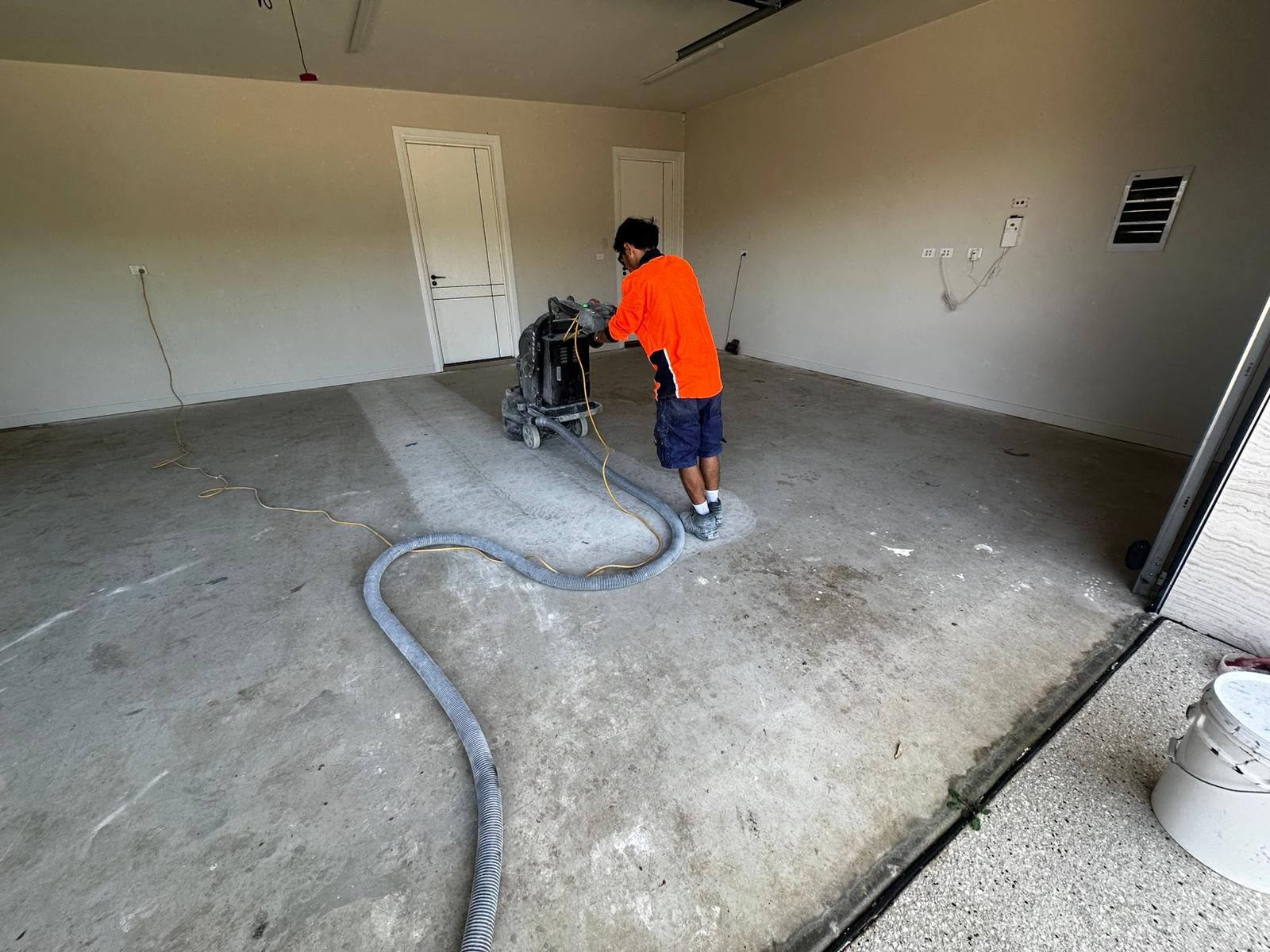
Here is the most important fact about warehouse epoxy flooring in Melbourne that most contractors will not tell you upfront: 90% of all epoxy floor failures are caused by inadequate surface preparation — not the product itself.
Epoxy bonds to concrete mechanically — meaning the concrete surface must be physically opened up to create the profile the epoxy can grip. The only way to do this properly is with commercial-grade diamond grinding or shot blasting equipment. Acid etching — still used by many cheaper Melbourne contractors — simply does not create sufficient surface profile for a long-lasting industrial floor.
- Contractor quotes over the phone without visiting your Melbourne facility
- Contractor mentions acid etching rather than diamond grinding
- The quote seems significantly cheaper than all others — price reflects preparation quality
- No moisture testing mentioned — essential for Melbourne on-grade warehouse slabs
- No written quote provided — verbal quotes are unenforceable
- Cannot show a portfolio of completed Melbourne warehouse epoxy projects
Step 5 — Questions to Ask Your Melbourne Warehouse Epoxy Flooring Contractor
Before signing any quote for warehouse epoxy flooring in Melbourne, ask every contractor these seven questions. Their answers will tell you everything you need to know:
-
Q1
“What surface preparation method do you use?” — The correct answer is diamond grinding. Any other answer is a red flag.
-
Q2
“What epoxy system and brand do you use?” — Commercial-grade 100% solids epoxy is the standard. Water-based or low-solids products are not suitable for warehouse environments.
-
Q3
“How many coats are included in your quote?” — A genuine warehouse system includes minimum a primer coat plus one build coat. A quality system also includes a polyurethane topcoat.
-
Q4
“Can you provide references from Melbourne warehouse projects?” — Any reputable contractor should be able to provide contact details for recent Melbourne commercial clients.
-
Q5
“Do you test for moisture before applying epoxy?” — Moisture vapour transmission is a major issue with Melbourne warehouse slabs. No moisture test means a serious risk of delamination.
-
Q6
“Can you work around our operating hours?” — A professional Melbourne contractor should offer weekend and after-hours installation to minimise operational disruption.
-
Q7
“Do you provide a written warranty?” — A confident contractor backs their work in writing. Verbal warranties are not enforceable and signal low confidence in the installation.
Why Melbourne Warehouses Choose GoPoxy
- 2,000+ completed projects across Melbourne since 2020
- Commercial diamond grinding on every single job — the non-negotiable foundation of every GoPoxy floor
- 100% solids commercial-grade epoxy systems — never water-based or diluted products
- Weekend and after-hours installation available — minimum disruption to your Melbourne operations
- Written quotes and written warranties on every commercial project — no verbal promises
- Servicing Tullamarine, Thomastown, Bundoora, Clayton, Dandenong, Oakleigh, Bentleigh & all Melbourne suburbs
- Verified 5-star Google reviews from real Melbourne customers — read them here
GoPoxy’s Full Range of Epoxy Flooring Services in Melbourne
Beyond warehouse epoxy flooring, GoPoxy delivers a complete range of epoxy flooring and concrete coating solutions across Melbourne:
- →Epoxy Flooring Melbourne — Residential and commercial epoxy floor coatings across all Melbourne suburbs
- →Flake Epoxy Flooring — Anti-slip decorative flake systems for garages, commercial and industrial spaces
- →Metallic Epoxy Flooring — Stunning liquid-metal finish for showrooms, luxury homes and retail spaces
- →Concrete Sealing — Protective sealing for driveways, patios and industrial concrete floors
- →Concrete Resurfacing — Restore damaged or cracked warehouse floors before coating
- →Tile Removal — Professional tile removal to prepare your slab for epoxy installation
Related GoPoxy Guides
Frequently Asked Questions — Warehouse Epoxy Flooring Melbourne
Choosing the right warehouse epoxy flooring in Melbourne does not have to be complicated — but it does require asking the right questions, understanding your facility’s specific needs, and choosing a contractor who takes surface preparation as seriously as you take your business. GoPoxy has delivered over 2,000 industrial and commercial epoxy flooring projects across Melbourne since 2020. Visit our warehouse epoxy flooring guide for more, check our Google reviews, follow us on Facebook, or visit gopoxy.com.au/contact to book your free site visit today.
Planning an epoxy floor in Melbourne?
Book a free on-site inspection and get a fixed written quote — no obligation.