Every painter will tell you they do quality work. The way to find out is to ask what happens before the first coat — and to know what a good answer sounds like.
The short answer
Choose a home painting service provider on preparation, not price. Ask what happens before the first coat: washing, filling, caulking, sanding, priming. Then confirm public liability insurance, a fixed written quote, how many coats, and which products. Paint fails because of what was underneath it — not because of the brand in the tin.
Why paint fails, and why it is almost never the paint
Peeling. Flashing — those patchy dull spots where the sheen is inconsistent. Hairline cracks reappearing within months. Colour that looked right on day one and tired a year later.
Homeowners usually blame the paint. It is almost never the paint.
Paint is a film that has to bond to what is underneath it. Apply it over dust, grease, a glossy surface that was not sanded back, filler that was not primed, or a damp exterior wall, and it has nothing to grip. The finish looks perfect for a few months because paint is very good at looking perfect for a few months. Then it lets go.
That is the whole reason preparation matters more than product selection — and the reason it is the first thing stripped out of a quote that needs to come in cheaper than someone else's.
The seven questions worth asking
1. What preparation is included?
The answer should be specific: wash, fill, caulk, sand, prime. Vague answers like "we prep as needed" mean the painter has not costed it, which means it will be rushed. On an exterior you also want to hear scraping, and treatment for any rust or mould.
2. How many coats?
Two topcoats over a primed surface is standard. A strong colour change, bare plaster, or going light over dark often needs three. The quote should state a number. "We paint until it looks right" sounds reassuring and commits to nothing.
3. Which products, by name?
Not "premium paint". The actual product, so you can look it up. There is a real difference between a trade-grade wall paint and the cheapest tin on the shelf, and it shows up in coverage, washability and how the colour holds.
4. Is the price fixed or an estimate?
An estimate can move. A fixed written quote states what is included and what would count as a variation, so there are no conversations halfway through about extra cost.
5. Are you insured?
Public liability cover is the minimum, and it matters because people are working inside your home, on ladders, around your belongings. Ask to see the certificate. It is a completely normal request.
6. How will you protect the house?
Furniture moved and covered, floors drop-sheeted, fittings masked, and the site cleaned at the end of each day rather than at the end of the job. That last detail separates painters who have worked in occupied homes from those who have not.
7. Can I see your own recent work?
Photographs of real jobs, not supplier stock images. Someone working locally can tell you the suburb and describe the house.
Happy to answer all seven? Ask us for a quote or call 0451 980 606.
What actually happens on a proper repaint
| Stage | What it involves |
|---|---|
| Quote and colours | Site visit, surfaces checked, colours discussed, fixed written price |
| Protection | Furniture moved and covered, floors drop-sheeted, fittings masked |
| Preparation | Wash, fill, caulk, sand, prime — the stage that decides the outcome |
| Cutting in | Edges, corners, cornices and trim by brush |
| Rolling | Walls and ceilings, the specified number of coats |
| Clean-up | Daily, not only at the end |
| Walk-through | You inspect it with us before we finish |
A single room is usually a day. A full interior repaint of a three-bedroom home typically runs three to five days depending on ceilings, trim and how much the walls need doing. Exteriors take longer and depend on weather.
Living in the house while it happens
This is the part people worry about most, and it is more manageable than expected.
We work room by room rather than opening up the whole house at once. One area is finished and put back together before the next one starts, so you always have somewhere normal to be. Furniture goes to the centre of the room under covers. Floors are protected. Drop sheets come up at the end of each day.
What genuinely helps from your side: clear small items, ornaments, wall hangings and anything fragile before we arrive. Those take you ten minutes and us considerably longer.
Melbourne-specific things worth knowing
Exteriors need a weather window
Paint needs the surface dry and the temperature sensible to bond and cure. Spring and autumn are the most reliable here. Winter is workable with a genuine clear run, but painting a damp weatherboard wall in July is how exteriors fail early. Extreme summer heat causes the opposite problem — the paint skins over before it levels.
Light changes colour more than people expect
A colour that looks right on a chip in a showroom can look completely different on a south-facing wall in a Melbourne winter. Always sample on the actual wall, look at it at different times of day, and give it 24 hours before deciding.
Period homes need more preparation
Melbourne has a lot of Victorian, Edwardian, inter-war and post-war housing. Older walls mean settlement cracks, previous paint layers of unknown type, and plaster that has been patched more than once. None of it is a problem — it just means the preparation stage does real work, and a quote that ignores it is not a quote for your house.
Warning signs in a quote
- No mention of preparation at all. The single most reliable indicator of a job that will fail early.
- A number over the phone. Nobody can price a repaint without seeing the walls.
- Pressure to decide today. A discount expiring this afternoon is a sales tactic, not a price.
- No written quote. Nothing on paper leaves you no position if something goes wrong.
- No ABN, no insurance certificate, cash only. Self-explanatory.
- Only supplier photos. If they cannot show their own finished work, ask why.
Why a flooring company paints houses
A fair question. The honest answer is that it is the same discipline.
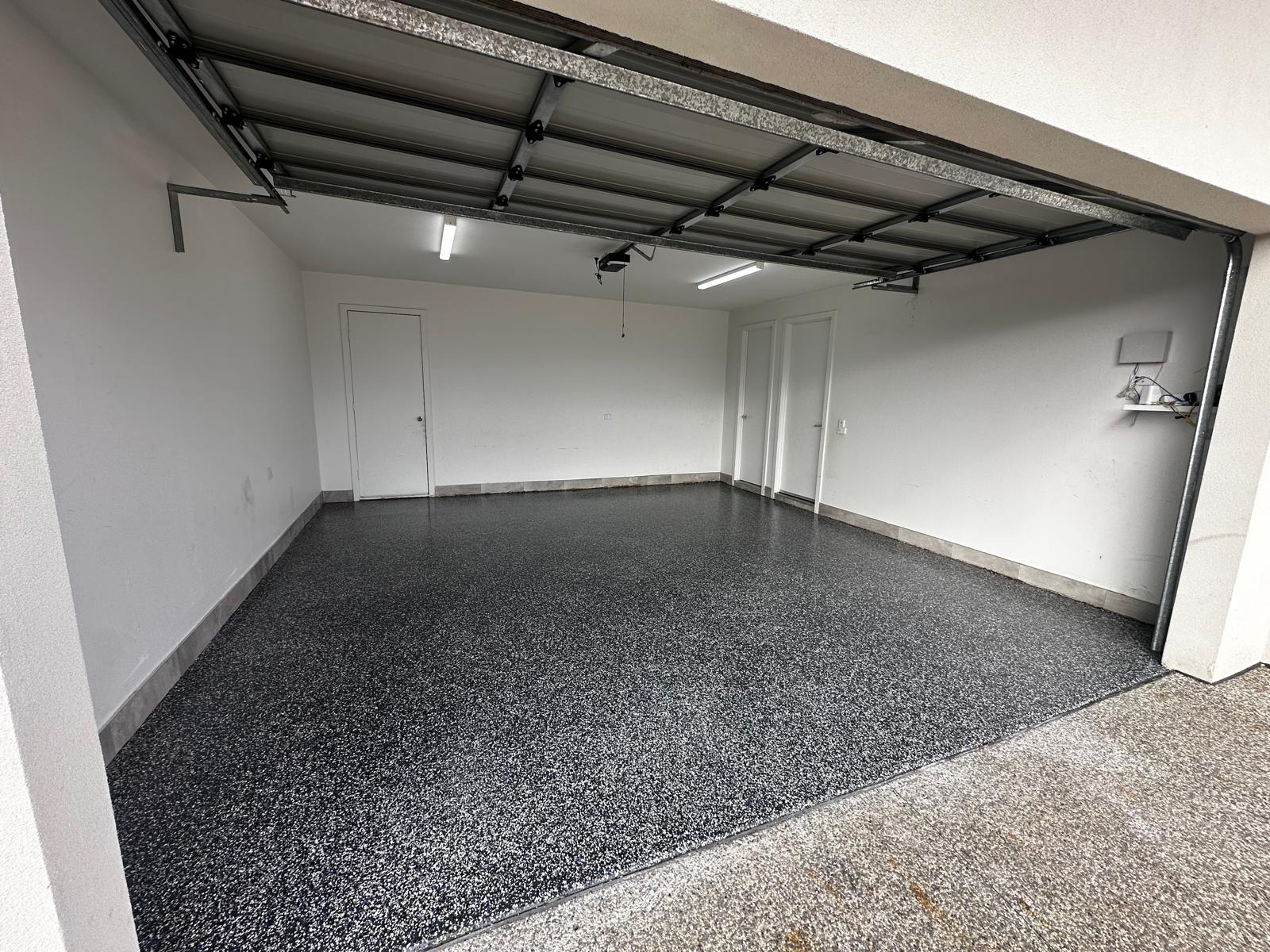
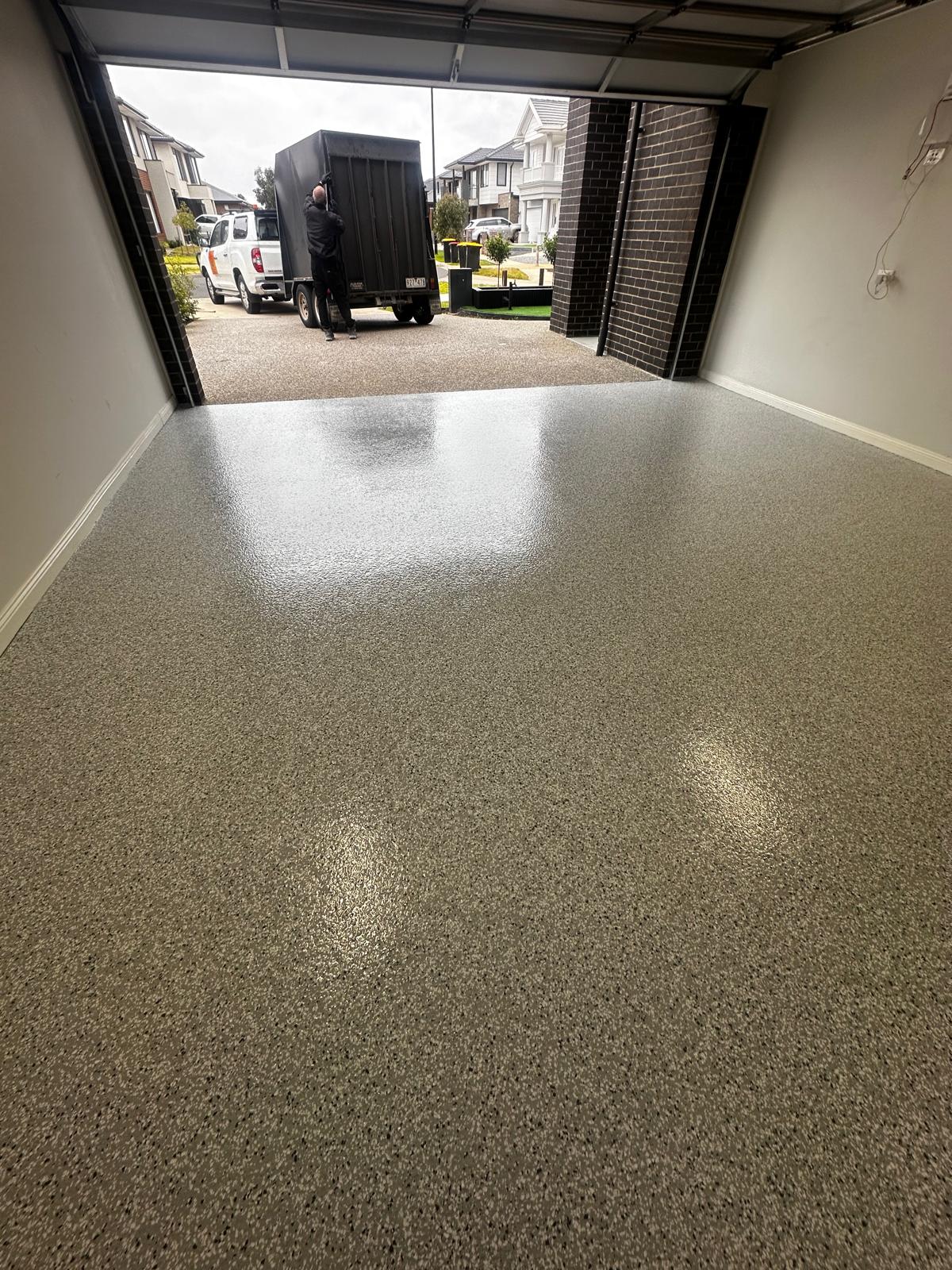
Our main trade is epoxy flooring, where a coating either bonds to a properly prepared surface or fails within a year or two. We spend our working lives arguing that preparation decides the result and that the product is the easy part. Paint behaves exactly the same way — it is a coating on a surface, and it lives or dies on what happened underneath.
The same crews, the same standards, the same insistence on doing the invisible part properly.
Frequently asked questions
How do I choose a home painting service provider in Melbourne?
Judge them on preparation, not the quote total. Ask what happens before the first coat — washing, filling, caulking, sanding, priming. Then check they are insured, give a fixed written quote rather than an estimate, and can tell you how many coats and which products. A painter who answers all four clearly is worth shortlisting.
What should house painting cost in Melbourne?
It depends on the size of the home, the condition of the surfaces and whether it is interior, exterior or both. Anyone quoting a figure over the phone without seeing the walls is guessing. We quote after a site visit, and the quote is fixed rather than an estimate that can move.
Why is one quote so much cheaper than another?
Almost always preparation, or the number of coats. Preparation is invisible once the job is finished, which makes it the easiest thing to leave out of a cheap quote. Two coats quoted as three, or a skipped undercoat, is the other common gap.
How long does painting a house take?
A single room is usually a day. A full interior repaint of a three-bedroom home typically runs three to five days depending on ceilings, trim and how much preparation the walls need. Exteriors take longer and depend on weather.
Do I need to move out while you paint?
No. We work room by room so the house stays liveable — furniture moved to the centre and covered, floors protected, and the area cleaned at the end of each day rather than at the end of the job. Most people stay put throughout.
Do I have to move my own furniture?
We move and cover furniture as part of the job. What helps is clearing small items, ornaments, wall hangings and anything fragile before we arrive, since those are quicker for you to handle than for us.
What preparation actually happens before painting?
Surfaces washed, cracks and nail holes filled, gaps caulked, damaged plaster made good, glossy surfaces sanded back, and bare or patched areas primed. On an exterior there is also scraping, and rust or mould treatment where present.
Why does paint peel or flash a year later?
Nearly always preparation. Paint applied over dust, grease, a glossy surface that was not sanded, or an unprimed patch has nothing to bond to. The colour looks right on day one and fails later, which is why preparation decides the result rather than the brand of paint.
How many coats should I expect?
Two topcoats over a primed surface is standard. Strong colour changes, bare plaster, or covering a dark colour with a light one often need three. The quote should state the number rather than leaving it open.
Do you help with colour choices?
Yes. Melbourne light changes what a colour does on a wall, so we talk through options and recommend sample pots on the actual wall before committing. A colour that looks right in a showroom can look completely different in a south-facing room.
What is the best time of year to paint the outside of a house?
Spring and autumn are the most reliable. Paint needs the surface dry and the temperature in a sensible range to bond and cure properly. Melbourne winter is workable but needs a genuine weather window, and extreme summer heat causes paint to skin over too fast.
Can you paint over wallpaper?
Sometimes, but it is usually a false economy. If the paper is lifting at the seams or textured, it will show through and may pull away later. We will tell you honestly whether it is worth removing first.
Do you paint ceilings and trim as well as walls?
Yes — ceilings, cornices, architraves, skirting, doors and door frames. Trim takes longer per metre than walls because it is all cutting in by hand, which is why it is itemised separately in the quote.
What about rendered or weatherboard exteriors?
Both are common in Melbourne and both are straightforward with the right preparation. Weatherboard needs scraping, filling and priming of bare timber. Render needs cracks addressed and the right masonry system rather than an interior paint pushed outdoors.
Is the paint safe around kids and pets?
Modern water-based interior paints are low odour and low VOC, and rooms are usable again quickly. We can specify low-VOC products throughout if anyone in the house is sensitive — just mention it at the quote.
Are you insured?
Yes. We carry public liability cover and can provide the certificate on request. It is a reasonable thing to ask any trade before they start work inside your home.
Do you clean up?
Every day, not just at the end. Drop sheets lifted, rubbish removed, floors cleared. The last thing we do is walk through the job with you before we leave.
What if I am not happy with something?
Tell us during the walk-through and we fix it. Paint is one of the easier trades to put right, and we would rather do it than leave you looking at it.
Which suburbs do you cover?
All of Melbourne. We are based in Mickleham and work across the northern, western, eastern and south-eastern suburbs.
How far ahead should I book?
One to three weeks is typical, and longer through spring and before Christmas, which is when most people decide to repaint. Quotes are generally issued within 48 hours of the visit.
Get a quote you can actually compare
Ask us the seven questions. We will answer all of them, put the preparation in writing, and give you a fixed price after seeing your actual walls — not a figure guessed over the phone.
The visit is free and there is no obligation. If you have another quote, bring it and we will tell you honestly what the difference between them is.
Call 0451 980 606 or request your free quote.
More: residential painting services in Melbourne, commercial painting, hybrid flooring, concreting, landscaping and fencing.
See our work
- Google Business Profile — reviews and completed jobs
- Facebook — recent projects
- Instagram — work in progress and finishes
Planning an epoxy floor in Melbourne?
Book a free on-site inspection and get a fixed written quote — no obligation.